What AI Really Is — And Why It Matters for Municipal Government
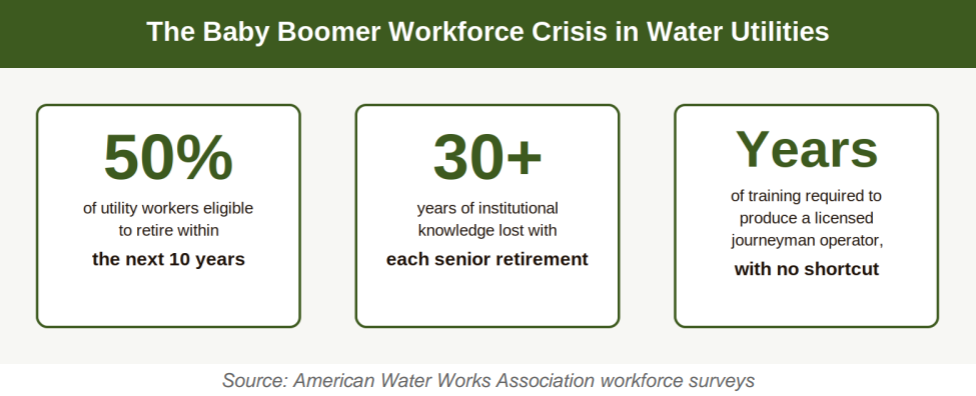
Across Texas and beyond, municipal governments are facing a growing challenge: doing more with less. Budgets are tight, regulations are piling up, and the experienced staff who’ve kept operations running smoothly for decades are retiring in record numbers. Meanwhile, residents expect faster, digital-first service. This is where artificial intelligence (AI) can step in — not as a futuristic dream, but as a practical, everyday tool cities can use right now.

So what exactly is AI? In simple terms, artificial intelligence is the ability of machines to perform tasks that typically require human intelligence — such as understanding language, recognizing patterns, learning from data, or making decisions. It’s what allows a computer to analyze thousands of service requests in seconds, or a chatbot to understand and answer a resident’s question about their water bill.
But AI also has clear limits. It cannot think or reason like a human, replace professional judgment, or operate without oversight. Understanding these boundaries is key to using AI responsibly in government settings, where transparency and accountability are essential.
At LSPS Solutions, we focus on practical, high-impact applications of AI — tools that make staff more efficient, not replace them. Some examples already making a difference in cities across the region include:
Resident Service Bots: 24/7 virtual assistants that handle common questions about trash pickup, permitting, or billing. They reduce call volume and free staff for higher-value work.
AI-Enhanced O&M Manuals: Interactive, searchable manuals that let field staff ask natural-language questions like “How do I calibrate pump 3?” — and get step-by-step answers instantly.
AI Mentorship Bots: Digital “trainers” that capture the experience of retiring staff and make that institutional knowledge available to new hires on demand.
These are not science fiction. They’re affordable, scalable tools that can integrate with a city’s existing systems and make day-to-day work easier. The key is to start small — and start smart. Identify one or two high-impact areas, run a pilot, measure results, and expand gradually.
AI won’t replace your public works director, utility supervisor, or city manager — but it can give them new capabilities that make their work more strategic and sustainable. When used thoughtfully, it helps governments deliver faster, smarter service while retaining valuable institutional knowledge.
At LSPS Solutions, we don’t just talk about AI — we build and implement it for real-world municipal needs. If you’d like to explore how AI could work for your city, we invite you to download our presentation “Unlocking AI for Municipal Government” or contact us for a discovery session.
Download the “Unlocking AI for Municipal Government” presentation here: https://docs.google.com/presentation/d/1xpQYRWCcOXotF7cLxA9lwc6Y3gnDE4P-ueLZ6uIfyKM/edit?usp=sharing