Unlocking AI for Municipal Government: Practical, Real-World Applications That Actually Work
- Jan 30
- 3 min read
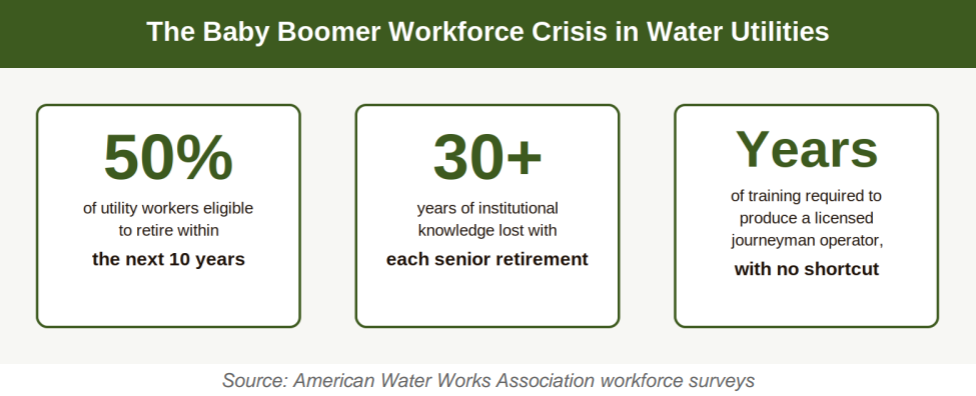
Municipal governments across the country are being asked to do more with fewer resources. Aging workforces, persistent staffing shortages, increasing regulatory complexity, rising expectations for digital services, and tight budgets are now the norm rather than the exception. Against that backdrop, artificial intelligence has moved from a theoretical future concept to a practical tool that cities can use today to reduce workload, preserve institutional knowledge, and improve service delivery without replacing human expertise.

At its core, artificial intelligence refers to software systems that can perform tasks typically requiring human intelligence, such as understanding language, recognizing patterns, analyzing large volumes of data, and automating repetitive processes. In a municipal context, AI excels at accelerating routine work, surfacing information faster, and supporting staff in decision-making. What it does not do is think independently, exercise nuanced judgment, or operate without oversight. Understanding these boundaries is critical. When implemented responsibly, AI enhances human roles rather than replacing them.
One of the challenges municipalities face is that modern AI can appear extremely convincing. It can look human, sound human, and interact conversationally in ways that feel natural. That realism is what makes AI powerful, but it also makes it easy to misunderstand. In government environments, clarity matters. Leaders must be explicit about what AI is doing, where it fits into workflows, and how staff remain in control of outcomes. The most successful projects focus on narrow, high-impact use cases that solve real operational problems.
Three AI applications are already delivering measurable value for municipalities of all sizes. The first is resident service bots. These are not simple keyword-based FAQ tools, but fully conversational systems that can respond to citizen questions through a website or phone line around the clock. They handle common requests such as trash schedules, water billing questions, permit processes, and service inquiries, while seamlessly escalating complex issues to human staff. The result is reduced call volume, reclaimed staff time, and improved resident satisfaction without adding headcount.
The second high-impact application is AI-enhanced operations and maintenance manuals. Traditional O&M binders and PDFs are often outdated, difficult to search, and heavily dependent on institutional memory. AI transforms these static documents into interactive, searchable tools that allow staff to ask questions in plain language and receive step-by-step guidance instantly. This approach speeds up troubleshooting, reduces reliance on senior staff availability, and ensures critical operational knowledge remains accessible even as experienced employees retire.
The third application addresses one of the most urgent challenges facing local governments today: workforce turnover and knowledge loss. AI-powered training and mentorship tools can capture expert knowledge before employees leave, provide on-demand guidance to new hires, and reinforce procedures over time. In effect, experience stays in the organization even when the people themselves move on, reducing onboarding friction and operational risk.
Not every AI solution is worth a municipality’s time. The most effective tools are those that make staff jobs easier, integrate with existing systems, and require minimal technical expertise to use. Cities should be cautious of platforms that are little more than rebranded search bars, overly complex systems with steep learning curves, or vendors who cannot clearly explain how their solution works in practice. If a tool does not reduce friction for staff, it is unlikely to deliver long-term value.
Getting started with AI does not require a large IT department or a massive transformation initiative. The most successful municipalities start small and think strategically. That means identifying one or two high-impact areas such as citizen services, field operations, or employee training, involving department heads in use case selection, and piloting solutions in a controlled environment. From there, feedback can be gathered, impact measured, and successful tools scaled gradually across the organization.
At LSPS Solutions, we specialize in helping municipal governments implement AI in ways that are practical, responsible, and aligned with real operational needs. Our support ranges from free introductory consultations, to hands-on in-house “Geek for Hire” sessions where workflows are mapped and opportunities identified, to custom AI pilots such as resident service bots, digital O&M manuals, and training tools tailored to each city’s environment. We focus on building solutions that work in the real world of government, not theoretical demos.
Artificial intelligence is no longer something cities need to prepare for someday. It is a present-day tool that can help municipalities do more with fewer resources, preserve institutional knowledge, and deliver faster, smarter service to residents. The key is to start with a real problem, choose the right tool, and take the first step. LSPS Solutions is here to help cities explore what is possible and move forward with confidence.
To view the presentation of this article, click here.